
Article: Why Skin Gets Drier in Cold Weather (And How to Keep It Moisturized)

Why Skin Gets Drier in Cold Weather (And How to Keep It Moisturized)

Have you noticed that your skin feels drier, tighter, or rougher when the weather turns cold? You're not alone.
As temperatures drop and indoor heating becomes part of everyday life, your skin may need a little extra attention to stay soft and comfortable.
Cold-weather skincare doesn't have to be complicated. Understanding why seasonal dryness happens and making a few adjustments to your routine can help your skin retain moisture throughout fall and winter.
Let's explore what happens to your skin during colder months and how to keep it feeling nourished and moisturized.
Why Does Skin Get Drier in Cold Weather?
Your skin has a natural protective barrier that helps retain moisture and protect against environmental irritants.
During colder months, several environmental changes can make it harder for your skin to maintain its usual moisture balance.
1. Cold Air Often Contains Less Moisture
Cold outdoor air generally holds less water vapor than warm air. When humidity is low, moisture can evaporate more readily from the skin, contributing to dryness.
2. Indoor Heating Reduces Relative Humidity
Turning up the heat makes indoor spaces more comfortable, but heating cold outdoor air without adding moisture lowers its relative humidity.
This dry indoor environment can contribute to moisture loss, particularly when you're spending long periods inside.
3. Your Skin Barrier May Become More Vulnerable
The outermost layer of your skin contains natural lipids that help maintain its protective barrier.
When the barrier becomes compromised, moisture can escape more easily, leaving skin feeling dry, rough, or uncomfortable.
4. Hot Showers Can Make Dryness Worse
A long, hot shower may feel wonderful on a cold day, but frequent exposure to hot water and harsh cleansers can remove some of the skin's natural oils.
The result? Skin that feels tight or dry shortly after bathing.
Common Signs Your Skin Needs More Moisture
Seasonal dryness can show up in several ways, including:
-
Skin that feels tight after washing or bathing.
-
Rough or flaky patches.
-
An ashy appearance, particularly noticeable on deeper skin tones.
-
Dryness around the elbows, knees, hands, and feet.
-
Mild itching or discomfort associated with dryness.
-
Skin that feels less smooth than usual.
These changes may indicate that your skin needs additional moisturizing care.
Persistent itching, cracking, inflammation, or painful skin changes may require more than a change in moisturizer.
5 Simple Ways to Keep Your Skin Moisturized During Cold Weather
The good news is that a few consistent habits can make a meaningful difference in how your skin feels.
1. Moisturize While Your Skin Is Still Slightly Damp
One of the simplest ways to support your skin's moisture balance is to apply moisturizer shortly after bathing.
Gently pat your skin with a towel, leaving it slightly damp, then apply your preferred moisturizer.
This helps reduce moisture loss as the remaining water evaporates.
Whether you prefer a creamy moisturizer or a thicker body butter, consistency is key.
2. Choose a Moisturizer That Suits Your Skin
Not everyone enjoys the same moisturizer texture.
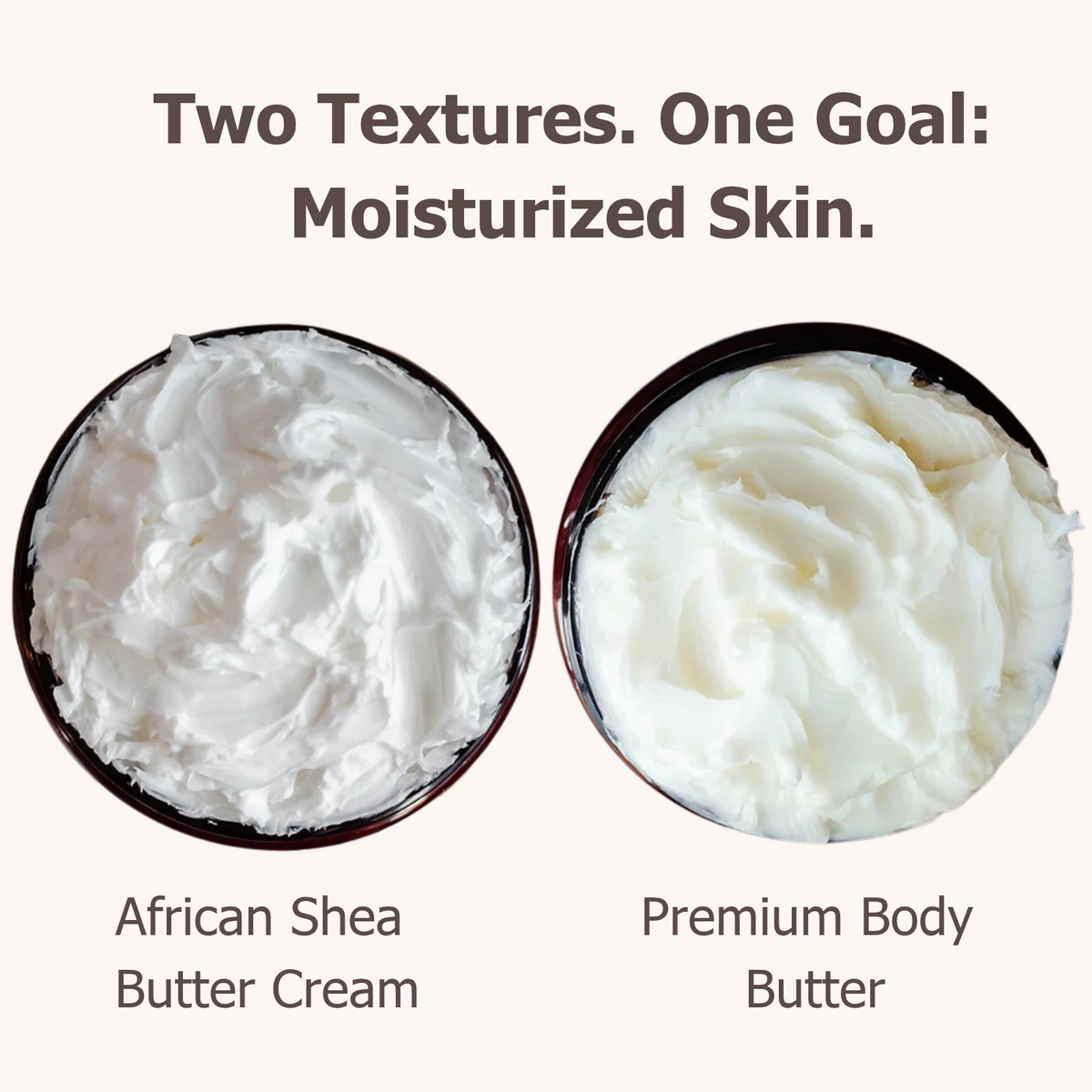
Some people prefer thick, rich body butters, while others enjoy soft, whipped creams.
At Sahara Naturals, our Premium Body Butters generally offer a dense, substantial consistency, while our African Shea Butter Creams have a soft, fluffy, whipped texture.
Both can be incorporated into a moisturizing routine depending on your skin's needs and personal preferences.
If you're curious about the differences, explore our guide:
Body Butter vs. Shea Butter Cream: What's the Difference?
3. Be Gentle With Your Cleansing Routine
Cleansing is an important part of skincare, but overly hot water and frequent washing with harsh products can contribute to dryness.
During colder months:
-
Choose warm rather than very hot water.
-
Keep showers relatively short.
-
Avoid excessive scrubbing.
-
Select cleansers that suit your skin.
-
Apply moisturizer after cleansing.
A gentle approach can help your skin feel more comfortable, especially when it's already experiencing seasonal dryness.
4. Consider Adding Natural Oils to Your Routine
Natural plant oils can be useful additions to a moisturizing routine.
Many oils contain fatty acids that help condition the skin and reduce moisture loss.
Depending on the oil and your skin's preferences, you might apply a small amount to slightly damp skin or use it alongside your regular moisturizer.
For example, argan oil is a popular skincare oil valued for its conditioning properties and versatility.
Remember that oils and creams are formulated differently. Oils primarily provide emollient and moisture-retaining benefits, while creams may also contain water and humectants.
The best approach is the one that works comfortably for your skin.
5. Pay Attention to Your Indoor Environment
Your skincare products aren't the only factors influencing how your skin feels.
Dry indoor air can contribute to seasonal moisture loss.
Consider using a humidifier when indoor humidity is particularly low. Maintaining a comfortable indoor humidity level, generally around 30–50%, can help reduce excessive dryness.
Also remember to drink enough water to support normal hydration. While drinking extra water isn't a substitute for moisturizer, staying adequately hydrated supports overall health.

Building a Simple Cold-Weather Moisturizing Routine
You don't need an elaborate collection of products to care for dry skin during colder months.
A simple routine might look like this:
Step 1: Cleanse Gently
Use a cleanser appropriate for your skin and avoid excessively hot water.
Step 2: Pat Skin Dry
After bathing, gently pat your skin with a towel instead of rubbing vigorously.
Step 3: Apply Your Moisturizer
While your skin is still slightly damp, apply your preferred body moisturizer.
Choose a rich body butter if you enjoy a thicker consistency or a whipped Shea Butter Cream if you prefer a softer, creamier texture.
Step 4: Give Extra Attention to Dry Areas
Elbows, knees, hands, and feet may benefit from additional moisturizing care.
Step 5: Adjust as Needed
Pay attention to how your skin responds throughout the season.
You may find that your preferred moisturizer or application frequency changes as the weather becomes colder.
Do You Need a Thicker Moisturizer in Winter?
Not necessarily.
Although many people enjoy richer moisturizers during colder months, a product's thickness alone doesn't determine its moisturizing effectiveness.
The ingredients, overall formulation, and how consistently you use the product all matter.
A thick body butter can offer a rich, conditioning experience, while a creamy moisturizer can also help soften skin and reduce moisture loss.
Rather than choosing a moisturizer based only on its thickness, consider how your skin feels after application and throughout the day.

Discover Sahara Naturals Cold-Weather Skincare Essentials
As the seasons change, your skincare routine can change with them.
At Sahara Naturals, we offer moisturizing products designed to help keep your skin feeling soft, smooth, and cared for.
Explore Our Premium Body Butters
Enjoy rich, substantial moisturizing textures that are especially appealing to those who love thicker body care products.
Discover Our African Shea Butter Creams
Experience soft, whipped, creamy moisturizers available in a variety of scents.
Browse Our Pure Natural Oils
Explore plant-based oils that can complement your everyday skincare routine.
Whether you're dealing with seasonal dryness or simply want to maintain soft, comfortable skin, the right moisturizing habits can make all the difference.
Keep your skincare simple, stay consistent, and give your skin the care it deserves throughout the colder months.
Explore Sahara Naturals moisturizing essentials and find your seasonal skincare favorites.

Leave a comment
This site is protected by hCaptcha and the hCaptcha Privacy Policy and Terms of Service apply.